swagonomics thumbnail

How to build a community swag program

11 takeaways we learned from Jason Dunn to help you use swag for better community building, developer relations or engaging loyal brand fans.

Why should you trust the advice of Jason Dunn?

He spent 6 years as a Community Manager at AWS and is now the Director of Community at Microsoft. Jason has experience managing large swag budgets for global developer communities. He’s worked with multiple swag vendors throughout his time building community and managing developer relations.

1: Use swag to signal membership

Give your swag meaning and people will wear it, post it, keep it and identify with it.

“Swag is the currency of community,” according to Jason. He talks about how people join communities for both internal reasons and external rewards. For corporate communities, swag is a part of the value exchange. People use it to show identity and belonging.

2: The laptop test

A good test for whether your community cares: determine if they’d give up space on their laptop for your sticker.

The question is not “did we send swag?” The question is “would someone choose to display this?”

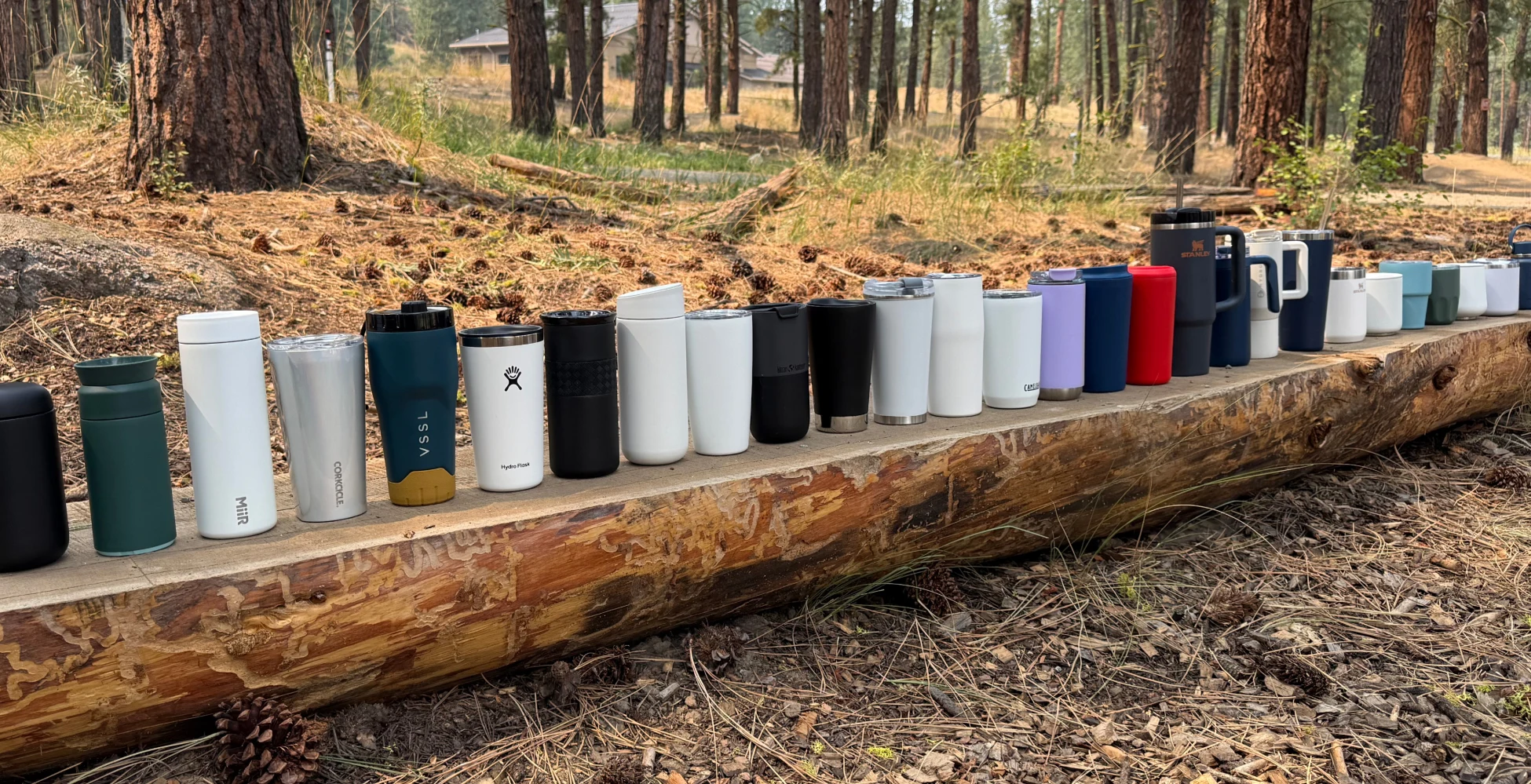
While it’s especially relevant for developer communities, it applies to any brand with an audience. You could replace the laptop with a water bottle, or a car window, or any other item people put their stickers on. Would your sticker earn its place?

3: Drive social advocacy with swag

You don’t just want your community wearing the swag, you want them posting about it.

Is your swag driving awareness, waitlist signups, program interest and social engagement? The most valuable thing that swag can do is earn more impressions through genuine content. Create a reason for people to post about your swag, and make that reason genuine excitement. Jason talks about how when customers do it because they love what you’re sending them, you can’t really beat that.

4: Make swag a buildable journey

Connect every new product to the last in the community member’s journey. Each piece of swag feels like a new step that builds on the last.

Jason tries to use products that built on previous years’ experiences. In his example, the year 1 items would fit into a year 2 backpack. Then future swag would add to that experience. If you have recurring communities, ambassador programs, customer advisory groups, employee milestones or certification programs, think about how each new step can scale as an extension of the last. Don’t drop swag for each milestone or step in isolation. Think about how the products build on one another, and connect over time.

5: Chronicle your swag

Naming your swag and giving it a story makes it more memorable.

Jason gives his swag names, like the “mug of endless energy.” You’re looking past the logo and building a story with the product, design and significance in a way that connects it with the community and the moment. Naming your merch turns it into an artifact that’s easy for people to talk about and remember.

6: Avoid the catalog trap

The “catalog trap” is where every program and vendor pulls from the same pool of products, from the same manufacturers that you can find anywhere, as Jason describes it.

Not all products need to be customized, nor does every item need a giant logo. The better question is whether the product fits your audience and the moment, and if your vendor can go beyond a standard catalog to help you get it.

PRO TIP:

Jason notes one reason he likes working with Kotis, is because Kotis will establish new brand partnerships, source products beyond the basic catalog and find access to retail products and premium brands. Check out some of the brands we work with here.

7: Fully custom shows effort

Go beyond adding your logo to an existing product.

Work with a vendor that can help you design a new product, built to spec. One of Jason’s favorite examples was building a custom backpack, collecting feedback and improving the design to make something nobody else had. While it took more work and planning, the community noticed. Developing a custom product from the ground up works when it’s thoughtful and specific to the audience. They notice the details.

“Custom swag can be a lot of work, but the dividends are huge.”

8: Your vendor’s infrastructure is critical

You need a vendor with solid infrastructure for a repeatable recognition process to ensure you earn and keep community trust.

Jason shared a story about the “golden jacket” that was viewed as the pinnacle of technical mastery for his community. The problem was, nobody knew how to get it. It required hundreds of hours to achieve and was a highly coveted item, but had no official path to earn the achievement. He felt uncomfortable knowing this was happening, so he worked with Kotis to build an infrastructure around it. So, he created a custom jacket, then Kotis provided a system for his community to claim their golden jacket online with a code. Consistency improved along with goodwill for people who worked hard to earn the gift.

9: Solve swag problems with choices

If you want swag people actually use, give them a choice.

“When I switched to a points-based system, it was like the heavens opened.”

Use points, tiers and redemption portals to avoid duplicate items and make the experience feel more personal for where the recipient is at. In an old process, Jason was sending duplicate swag, so he switched to a points-based system to reduce admin work while giving people access to all kinds of items that were matched to the value of the gift meant for the level they’re at.

PRO TIP:

Kotis allows you to offer choices to your recipients through the use of a redemption portal. Points-based gifting and reward tiers can optionally be used with this portal.

10: Your vendor impacts your community

When evaluating swag program vendors, remember they will impact your community experience. Identify whether it will be positive.

The overall recipient experience is heavily influenced by your swag vendor. You often think of your vendor as a product supplier, when they’re really an operational partner. When there’s delays or poor customer service, your community notices. A good product can still create a bad experience if the product imagery is clunky, the customer service is weak, or international shipments get stuck.

When evaluating swag vendors, Jason emphasizes the importance of the proofing process, fulfillment cadence, customer service, shipping speed and customs support as part of the overall recipient experience.

11: Shipping shouldn’t eat swag budget

Shipping costs are “the dark secret of everyone’s swag budget,” Jason highlights.

A scenario where a $30 t-shirt costs around $200 after duties and fees should not exist. But Jason’s experience with that is more common than you’d think. When he moved his community swag program to Kotis, he saw about 50% savings in international swag shipping, and in some locations, up to 70%.

Shipping isn’t always a budget item teams consider when evaluating their swag program and vendor costs. Many of them are overpaying for this and don’t realize it. Every client should gather sample shipping quotes from vendors for the exact same product and destination location when evaluating swag vendors or reviewing their swag program budget.

PRO TIP:

Kotis offers a shipping comparison calculator here for a convenient way to quickly review whether you’re overpaying for shipping.

Give us 20 minutes + your community swag setup. We'll give you a second opinion.

Tell us how you're managing swag, rewards, shipping, and costs. We'll share what we'd improve, if anything. No pitch deck, no pressure to switch vendors.